- blog
Citizen Crasshole: My German passport story
After seven years in Berlin, I decided I wanted to vote. Here’s how I became a German citizen – and what I’d tell anyone considering it.
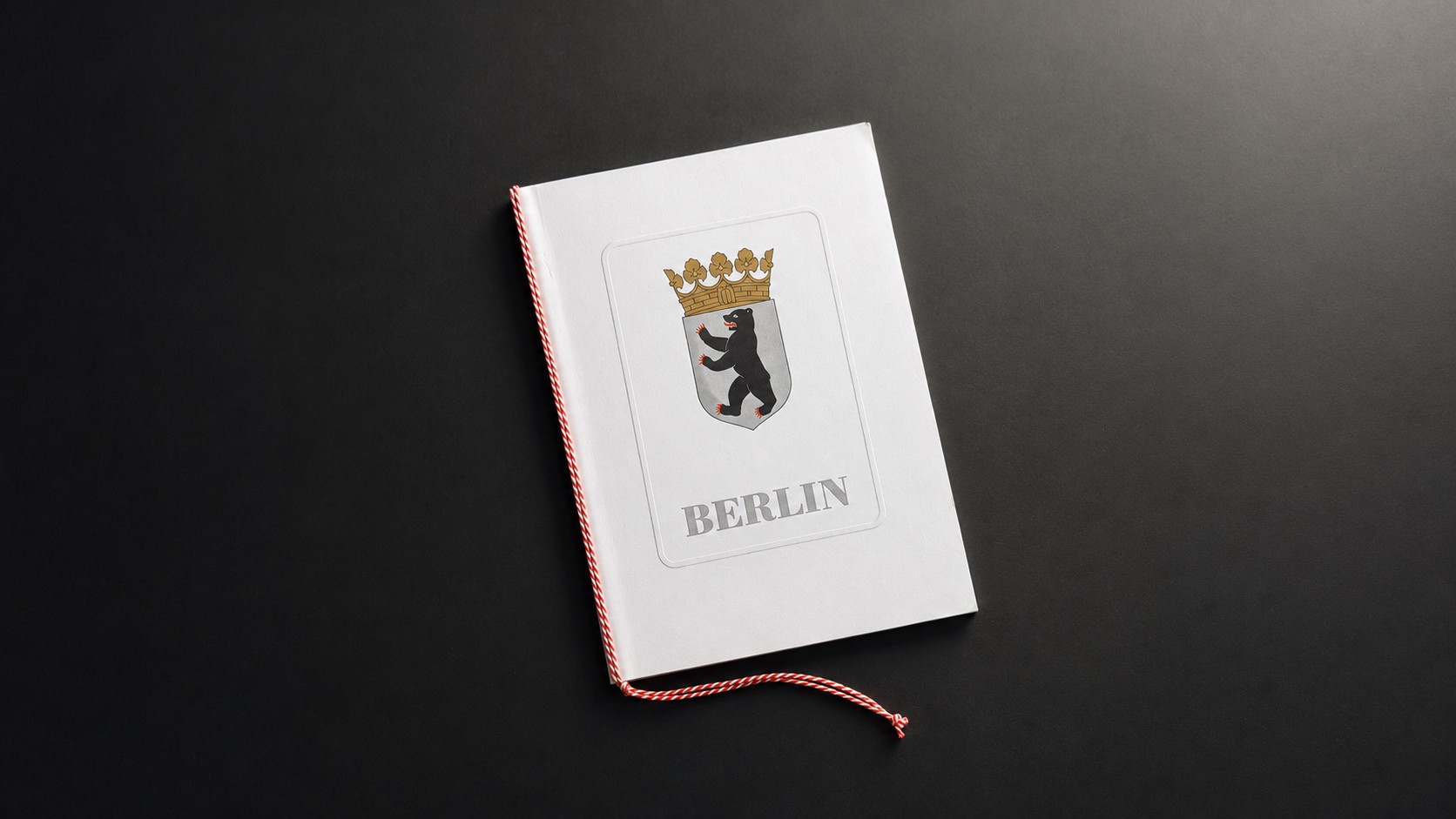
I did it. It was January 2018 and after a year of work and waiting, I had received the letter that my application for German citizenship had been approved and I was now in the tiny corner office of my caseworker at the Standesamt in Kreuzberg for my citizenship “ceremony”. It wasn’t even a ceremony so much as just me sitting in that small room with said caseworker and a German friend. The caseworker congratulated me, handed me my documents – and then read out an official paragraph listing everything that could go wrong with having two passports.
My citizenship journey had started in January 2017. I had been working at Exberliner magazine for some years and felt I understood the culture and language by then. It had begun to annoy me that during my seven plus years in the country, I had put in all this work but couldn’t vote and had to go to the Ausländerbehörde and plead my case to stay.
You may ask why a person like myself would give a damn about the artifice of nationality. Personally I felt that since I had lived here long enough, put in the effort to learn the language, integrate, and pay my way into the system, that I deserved to have a say in it – in other words, vote. The more I learned, the more I had an opinion and wanted to be able to have my opinion “matter”. That is what citizenship meant to me. It was not any sort of patriotic or nationalist affiliation.
I knew that giving up my US citizenship was a pre-requisite for becoming German, so at first that didn’t seem like a real option for me. Not because I’m chauvinistic but because it’s still where I come from and my family is still there. Losing access to that seemed scary to me. This was all until an American acquaintance of mine told me about Paragraph 12.1.2.3.2.1, an exception to having to give up my citizenship. He had done it. As soon as he told me that, I said, “Alright, let’s go for it!”
Basically, the paragraph in naturalization law had said that if you were too poor to burn your passport, you wouldn’t have to. Too poor at that time meant making under $2350 a month – the cost of giving up US citizenship – and that was no problem at all for a writer living in Berlin in 2017. It’s not so important anymore, since anyone can now have dual citizenship in Germany, but those were the rules back then.
My caseworker congratulated me, handed me my documents – and then read out an official paragraph listing everything that could go wrong.
Very soon after filing my application at the Standesamt in Kreuzberg and paying the €255 application fee, the ball was rolling. There was a little bit of back-and-forth about documents and something from the US embassy that I needed translated but the bureaucracy was much less stressful than I expected. I already had an accountant, so it was easy for me to get the appropriate signed documents about my financial situation. The required language test was B1 and I had already passed that and had a certificate ready before applying. The worst was the total wait. My caseworker told me that they had to be in touch with the US authorities to do a background check and that takes time. The longer the wait went on, the more paranoid I became about my own past – did I have some sort of colorful criminal record that I wasn’t aware of? What did the US and German government now know about me? Were my punk rock Facebook posts now under review? It was terrible. But eventually… it wasn’t. I got a letter that said that they had spoken to the US authorities, everything was fine.
This all sounds daunting but it was much easier than I expected. Especially since everyone I knew was hiring a lawyer for thousands of euros and arguing their own unique defenses for keeping their US citizenship. One person’s was that their parents were getting older – aren’t everyone’s? I did it based on this one very clear legal exception and did it fully in German with no lawyer or translator. My caseworker was skeptical at first but I argued well and she was fair – no scary letters, no contentious moments.
Even with dual citizenship becoming legal in 2024, there are still a few things worth knowing if you’re considering it. It only takes five years of continuous residency in Germany to obtain a passport now, so it’s more important than ever to be prepared if you want it to go smoothly:
- Don’t waste your time and money on a lawyer. They will cost an arm and a leg. If you tick all the boxes, there’s no need to worry. Save your money for an interpreter. B1 German may be the legal minimum but the process is conducted entirely in German and you’ll likely need to be well above that level to handle it without one.
- Have your B1 certificate ready before you even apply. Everything takes time in Germany, so learning the language, scheduling and taking the test, and waiting for the results and certificate could add months to the process. Getting it done at any point during the first five years will save a lot of stress.
- They want to be sure that you will not be an immediate burden on the social system, so having an accountant already really helps if they require any financial documents. An accountant can usually supply you immediately with any requested forms, turning stress into a simple e-mail. If you don’t have one lined up, finding one during the process could be difficult.
- Be calm and keep your cool when it comes to your background check. If you don’t think you’ve got anything in your past, you don’t – even if you had a particularly raucous going away party before coming here. On the other hand, and no judgment, if you do have something in your past you know about, they will find it. Save yourself the €255.
- Nowadays you can be impatient. Back when I applied in 2017, there was no real way of knowing how long it would take and no manner of recourse if it took too long. With the German government’s push to start bureaucratic processes up, you can now legally sue if the process is taking longer than six months. By all anecdotal accounts from friends going through the process today, it works. Be patient – to a point.
I’ve been a German citizen now for eight years. Do I feel even the slightest sense of nationalism about the country I now legally “belong” to? Nope! But I feel immeasurable relief from fear of not being able to stay and from the stress of continual degradation in the wheels of immigration bureaucracy. I’m blissfully unencumbered by having to prove my status for any work I do here. And, of course, I get to vote. Becoming a German citizen isn’t a black, red and gold cure-all but it also hasn’t been a long list of things that went wrong either.